


Rats in Your Drains? Plymouth Rat Prevention Starts at the Source

If you are searching for rat prevention drains Plymouth solutions, there is a good chance the problem has already returned once. You may have seen rats near a manhole, heard movement around pipework, noticed foul smells from an outside gully, or worried about rats entering through the toilet. In many cases, repeat activity is not just a pest issue. It can point to a drainage defect that is giving rats access to or around your property.
At Flux Sewer Ltd, we help property owners in Plympton, Plymouth and across the wider area trace the problem back to its source. That can involve CCTV drain surveys, drain unblocking, drainage repairs, and rat prevention measures selected to suit the layout and condition of the system.
Rat Prevention Drains Plymouth: Why the Problem Keeps Coming Back
Rats can use the sewer network as a sheltered route beneath streets and properties. If there is a failed joint, a broken chamber, a poorly sealed connection, or damage in the pipework, they may find ways to travel towards areas they should not reach.
This is why a surface-level response does not always stop the issue for long. If activity is dealt with above ground but the drainage route remains open, the same property can suffer repeat infestations weeks or months later.
Common warning signs include:
Rats seen near manholes, gullies, soil stacks, or external pipe runs
Recurring activity in the same garden, yard, outbuilding, or bin area
Slow drainage, gurgling pipework, or wastewater odours
A toilet that bubbles, backs up, or behaves unusually when other appliances discharge
Previous pest treatment followed by the same problem returning
One sign on its own does not confirm a drain defect. A pattern of signs, however, is a strong reason to investigate the drainage system properly.
How rats gain access through drains
Cracked or displaced pipe joints
Older drains can shift, crack, or separate over time. Even a small opening can create an access point or allow odours and contamination to escape, which is why the condition of the pipework matters.
Damaged inspection chambers and covers
Broken benching, poor seals, damaged brickwork, and ill-fitting covers can all make a drainage route easier for rats to use. These faults can also make maintenance harder and increase the risk of repeated blockages.
Redundant or poorly sealed connections
Alterations to kitchens, bathrooms, extensions, or older drainage layouts can leave unused connections behind. If they are not sealed correctly, they may provide a route that should no longer exist.
Persistent blockages
Heavy build-up, silt, wipes, roots, or structural defects can slow the line and change how wastewater moves through it. That does not create rats, but it can turn a hidden fault into an ongoing drainage and hygiene problem that needs attention.
Why a CCTV drain survey matters before you choose a fix
When rat activity appears to be linked to the drainage system, guessing is expensive. The sensible first step is to inspect the line and confirm what is actually happening below ground.
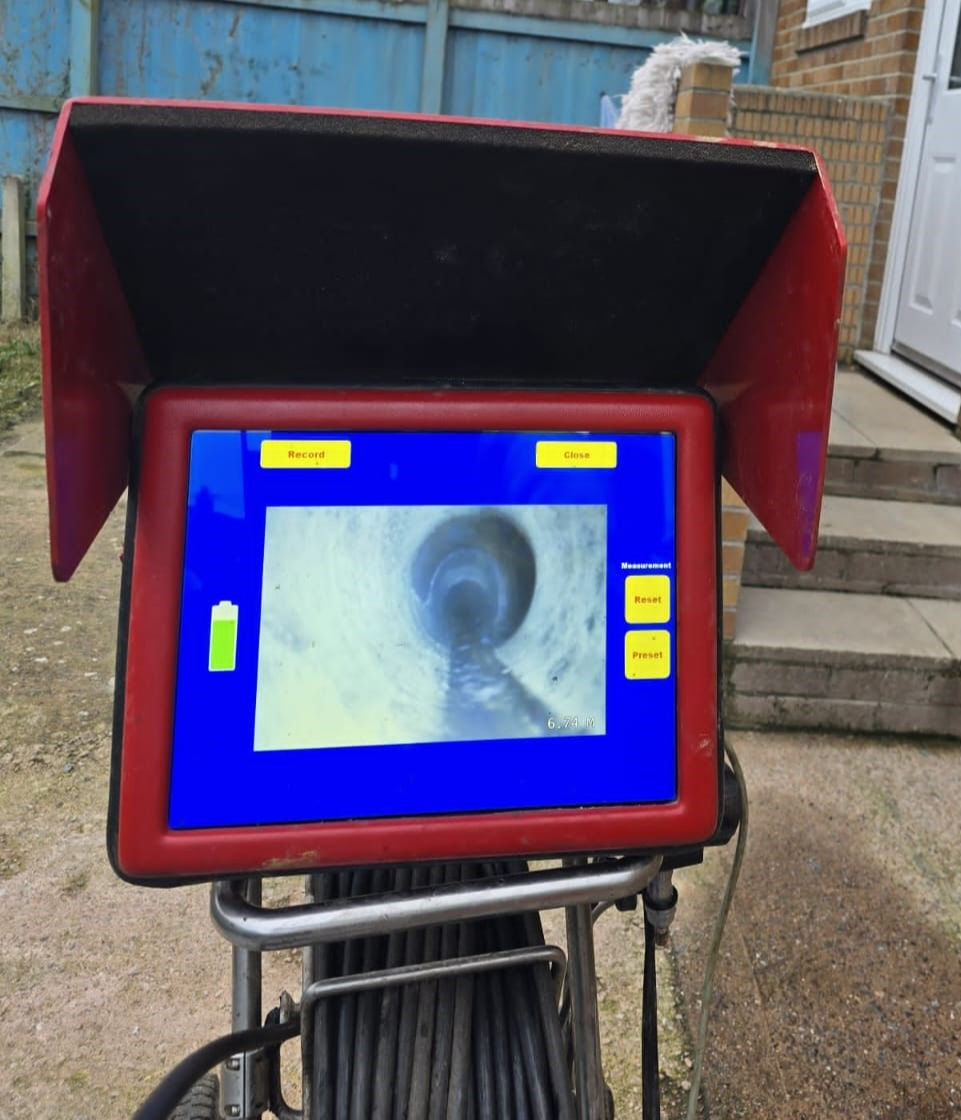
Our CCTV drain surveys allow us to trace the run, assess the condition of the pipework, and pinpoint obvious access issues such as broken joints, displaced sections, damaged chambers, or recurring blockages. If the line is blocked or heavily fouled, we may need to carry out drain unblocking and cleaning first so the camera can see clearly.
A proper inspection helps answer practical questions such as:
Is the problem definitely linked to the drains?
Where is the likely entry point?
Is there a local defect or a wider condition issue?
Would a repair, a prevention device, or both be the right approach?
Can the work be done with minimal disruption?
That clarity matters. Installing a prevention measure in the wrong location, or before the line has been properly checked, can leave the real cause untouched.
The right way to stop repeat infestations at source
1. Restore clear flow
If the system is partially blocked, the first priority is usually to get it flowing correctly again. A clean line makes inspection more reliable and reduces the risk of other drainage symptoms being mistaken for separate problems.
2. Repair the defect
Once the source is identified, the next step is to correct the fault. Depending on the defect, that may involve local chamber repairs, patch lining, drain lining, or another form of trenchless drain repair where suitable. No-dig methods can often reduce disruption to gardens, driveways, and hard surfaces.
3. Add a suitable rat prevention measure
Where appropriate, a professionally selected rat prevention device can be fitted within the drainage system to restrict movement back towards the property while allowing normal flow. The key point is suitability. The chamber location, pipe condition, flow pattern, and access all need to be considered.
4. Check the wider system if needed
Some properties have more than one contributing factor. An older chamber, a defective connection, and repeated blockages can all sit within the same network. A thorough approach helps prevent part of the issue being left behind.
What Plymouth property owners should do if they suspect rats in the drains
If you think the drainage system could be involved, act early. The longer the source remains open, the more chance there is of repeat activity, odours, or further drainage deterioration.
Make a note of where activity is happening. Gullies, manholes, toilets, external walls, and bin areas can all help narrow down the likely route.
Watch for drainage symptoms. Slow fixtures, smells, recurring blockages, or surcharging chambers can provide useful clues.
Do not lift heavy covers or enter chambers yourself. Drain covers can be dangerous, and drainage systems are not safe DIY environments.
Arrange an inspection. A professional survey gives you evidence, not guesswork.
Fix the cause, not just the symptom. If the entry route remains, the problem may return.
If you want a clear answer quickly, book a drain inspection with our team. We can assess the condition of the system and advise on the most practical next step for your property.
Why property owners choose Flux Sewer Ltd
Flux Sewer Ltd is a small family-run business based in Plympton, Plymouth, with 13 years of experience. We work across Plymouth as well as the wider Devon and Cornwall area, with services for domestic, commercial and industrial customers.
Our work includes CCTV drain surveys, drain unblocking, drainage repairs, trenchless no-dig solutions, manhole repairs, root removal, drain lining, homebuyer drainage surveys, and rat prevention / rat traps. We are fully insured, offer flexible booking, and focus on efficient, professional repairs with minimal disruption where possible.
For property owners dealing with suspected drain-related rat activity, that means one contractor can investigate the source, explain the findings clearly, and recommend the most suitable repair and prevention option.
Local knowledge of Plymouth properties and drainage challenges
CCTV inspection to identify entry points accurately
Drain cleaning and repairs handled by experienced drainage engineers
Trenchless repair options available where appropriate
Fast response from a professional South West drainage business
Frequently asked questions about rats in drains
Can rats come up through toilets in Plymouth homes?
It is possible if there is a route through the drainage system, although not every rat problem involves toilets. If you are worried about this, a drain survey can help determine whether the line is giving access towards the property.
Do I need a CCTV drain survey for rat prevention?
If the problem keeps returning, a CCTV survey is the most reliable way to identify defects, openings, or blockages that may be contributing to the issue. It helps ensure the chosen solution matches the actual condition of the drains.
Will a rat trap in the drain solve the whole problem?
A drain-based prevention device can be very effective when it is correctly chosen and fitted, but it is not always the only step required. If the pipework or chamber is damaged, repairs may also be needed.
Can blocked drains attract rat activity?
Blocked or defective drains can create poor conditions around a property and may sit alongside structural faults that give rats access. That is why repeat blockages and repeat infestations should not be treated as unrelated problems.
Do you cover properties outside Plympton?
Yes. We are based in Plympton, Plymouth and work across Plymouth as well as the wider Devon and Cornwall area.
Conclusion
Rats around drains are rarely something to ignore, especially when the same problem keeps returning. The most effective long-term response is to find out whether the drainage system is providing access, correct any defect, and then install the right prevention measure where needed.
Book a drain inspection with Flux Sewer Ltd if you want to identify likely entry points and discuss the right rat prevention solution for your property. We can help you move from repeat infestations and uncertainty to a clear drainage-based plan of action.


Comments