


Pre-Purchase Drain Survey: Warning Signs UK Buyers Shouldn't Ignore
- Benjamin Parkinson
- Apr 27
- 8 min read

Six weeks after moving in, a drain collapses under the garden path. The repair crew arrives, the excavator goes in, and the bill runs to around £7,000, a figure that sits well within the typical range for a collapsed drain requiring excavation. We see the aftermath of this regularly at Flux Sewer, and we frequently hear the same thing from buyers: nobody told me to check the drains. A standard homebuyer's survey will inspect the roof, the walls, the timbers, and the damp, but it almost never looks underground. That single gap in the process leaves buyers exposed to some of the most expensive defects a property can hide
At Flux Sewer Ltd, we carry out pre-purchase CCTV drain surveys across Devon and Cornwall, and the same warning signs come up time and time again. Older pipes, large trees, slow drains, boggy patches: these aren't coincidences. They're a property telling you something is wrong beneath the surface. If you want to avoid an expensive post-completion shock, knowing the signs you need a drain survey before buying a house is one of the most practical things a UK buyer can do. This article walks you through which property types carry the highest risk, what to look for during your viewing, what a CCTV survey actually checks, what defects cost to fix, and when in the conveyancing process you need to act.
Property types that almost always warrant a drainage inspection before purchase
Not every property carries equal risk. Some are far more likely to have hidden drainage problems, and knowing which ones helps you decide whether a survey is a sensible precaution or an essential one
Homes built before 1970 and pitch fibre pipework
Pre-1970s UK properties, particularly those built between the 1950s and late 1960s, were commonly drained using pitch fibre pipes. These pipes were considered modern at the time, but they absorb moisture and deform over decades. By now, many have collapsed into oval or egg-shaped cross-sections that restrict flow and are heading toward full failure. Buyers rarely know pitch fibre is even present until a CCTV camera reveals it. That discovery alone justifies the survey cost several times over.
Properties with previous extensions, conservatories, or conversions
Building work changes drainage routes. Extensions are sometimes built directly over existing drain runs. Poorly planned loft conversions or outbuilding conversions can increase the hydraulic load and the number of connections on systems never designed for the change, sometimes altering the fall or introducing new junction points without a drainage sign-off. When permitted development work was done without proper drainage approval, problems are often buried and waiting for the next owner to discover them at the worst possible moment.
Rural properties and homes on private drainage systems
Septic tanks and private sewer runs carry no adoption from the water authority, meaning maintenance responsibility falls entirely on the property owner. Condition varies enormously between properties and is rarely declared transparently in a sale. A CCTV inspection combined with a tank condition check is the only reliable way to understand what you're buying.
Signs you need a drain survey before buying a house: what to look for during your viewing
Before you spend a penny on a survey, there's a surprising amount you can assess with your own senses during a viewing. These are the signals that should prompt you to go further.
Inside the house: the signs that drainage is under stress
Slow-draining sinks or a bath that fills up while you're showering are the most obvious indicators. Gurgling sounds from a toilet or plughole after water drains elsewhere in the house point to a partial blockage or venting problem further down the line. Persistent damp patches at floor level, efflorescence (those white salt deposits on basement or lower walls), and musty ground-floor odours can all trace back to drainage leaks rather than surface water or structural damp. Rising damp caused by drainage failure can be misdiagnosed as a wall issue, which means buyers end up paying for damp-proofing treatments that don't address the actual cause
Why large trees close to the property are a red flag
Root intrusion is one of the most common defects a pre-purchase CCTV survey uncovers in UK residential properties. It's also one of the most insidious, because it can cause serious pipe damage over years without producing any visible surface symptoms until the pipe fails entirely.
How tree roots find and damage underground pipes
Tree roots follow moisture. Any hairline crack or slightly loose joint in a clay or pitch fibre pipe provides enough of a gap for fine root tips to enter and begin growing. Once inside, roots expand steadily, catching debris and building blockages that put pressure on the pipe walls. Over time, the root mass fractures the pipe or causes it to collapse. This process can run for years without any sign above ground, which is exactly why surface inspection misses it every time. For practical guidance on removing roots from drain pipes and typical remediation approaches, consult specialist resources before you commit to a purchase.
The tree species and proximity distances that raise risk most
Oak, willow, poplar, and sycamore pose the highest risk to nearby drains in UK gardens. Sycamore roots can extend beyond 15 metres from the trunk; willow and poplar are aggressive moisture-seekers that head straight for any water source, including your drainage pipes. As a practical guide, trees within 10 to 15 metres of a drain run, particularly high-risk species, warrant close attention regardless of trunk size. Buyers also need to check neighbouring land, not just the garden they're buying. Root systems regularly extend beneath boundary lines and into drainage routes that run under adjacent properties.
What a CCTV drain survey actually checks
Many buyers deprioritise a drain survey because they don't fully understand what it covers. A CCTV inspection is not the same as a visual check of the manhole. It gives you a documented, coded record of the pipe condition from the inside.
The inspection process from access point to written report
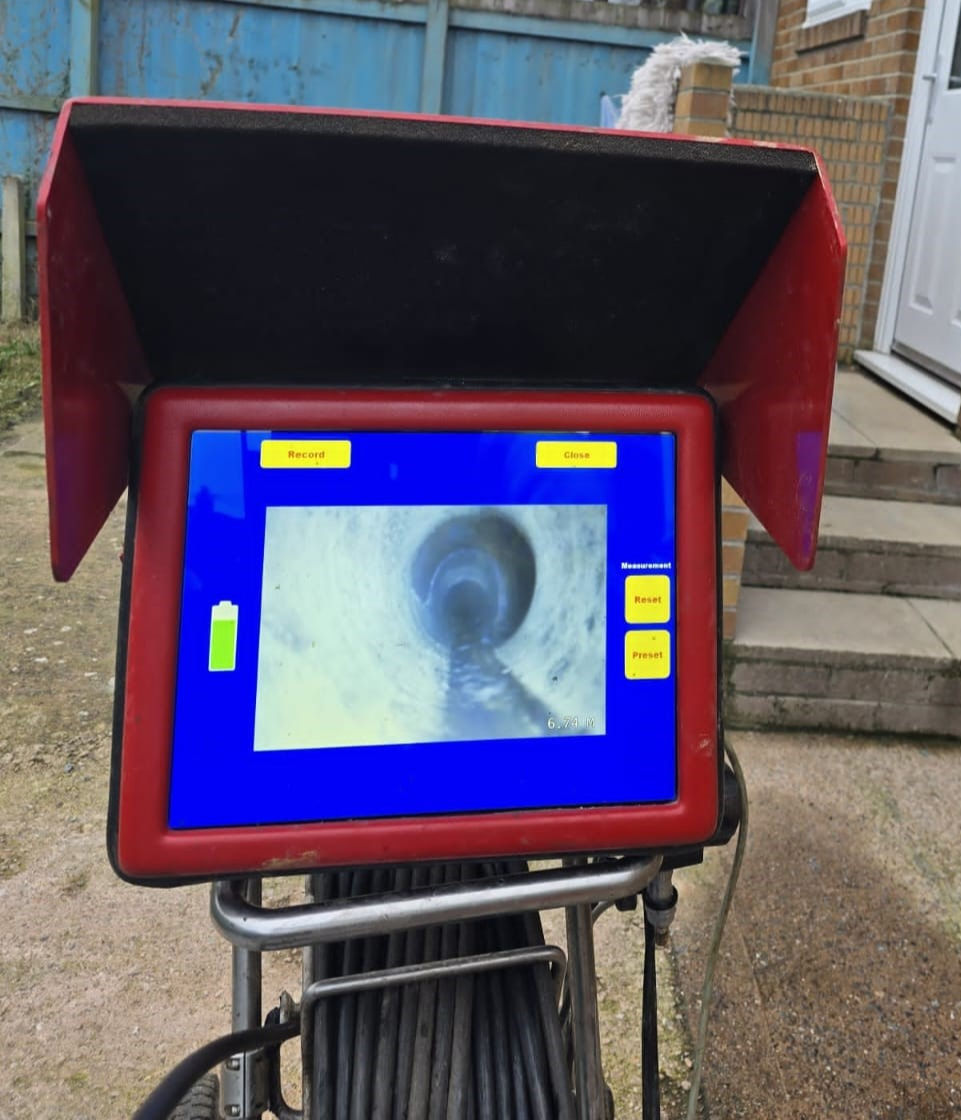
A drainage engineer accesses the system through a manhole or inspection chamber, then feeds a waterproof camera through the pipework. The camera transmits live footage to a surface monitor, recording position, depth, and condition as it travels. For a typical domestic property, the on-site work takes roughly one to two hours. The report that follows includes video footage, still images, coded defect entries referenced to specific pipe locations, and clear repair recommendations, and report turnaround times typically range from a few days to a week depending on the provider. That report is exactly what your solicitor needs to negotiate on your behalf. If you want a deeper technical overview of how a CCTV drain survey works, there are specialist guides that walk through the camera process and coding conventions
What defects the camera finds that no structural survey picks up
A CCTV survey reveals defects that a standard homebuyer's report simply cannot. These include:
Root ingress through cracked joints or pipe walls
Cracked or collapsed pipe sections
Joint displacement and misalignment
Pipe deformation from pitch fibre degradation
Silt or grease build-up causing partial blockages
Illegal connections to the drainage system
A standard Level 2 homebuyer's report from a RICS surveyor will note "drainage not inspected" and leave you entirely in the dark on every one of these issues. The two surveys are not alternatives to each other; they inspect completely different parts of the property
What drainage repairs cost and why finding out before exchange protects you
Understanding the numbers is what gives a pre-purchase drainage inspection its urgency. A drain jetting call-out to clear a basic blockage may cost £150 to £400, but the figures climb quickly once structural defects are involved, and these are not costs you want to absorb from a post-purchase budget.
Realistic repair cost ranges by defect type
Root removal with any necessary pipe relining typically costs £1,000 to £3,000, depending on the extent of damage and the length of pipe affected. Patch repairs on cracked sections using GRP or resin lining range from £500 to £2,000 per section. Pitch fibre pipe replacement, whether by full excavation or structural relining, can run to several thousand pounds, and a collapsed drain requiring excavation can reach £5,000 to £10,000 or beyond where access is difficult. Set against the cost of a CCTV survey, which runs between £100 and £350 for most domestic properties, the maths are straightforward. For an independent market view of typical survey and remediation costs see this CCTV drain survey cost guide
Using survey findings to negotiate before you exchange
With a CCTV report in hand, you can go back to the seller with documented evidence and request a repair before completion, a reduction in the asking price, or a retention held with solicitors until works are carried out. After exchange, that leverage disappears entirely. The costs become yours to deal with, usually while you're also managing moving expenses and everything else that comes with a new home. Pre-exchange is the only window where a drainage problem works in your favour as a negotiating tool
When to book the survey in your conveyancing timeline
Timing matters as much as the survey itself. Ordering a drain inspection after exchange is legally possible, but it leaves you with no protection.
The pre-exchange window is where your protection sits
Once contracts are exchanged, withdrawal means losing your deposit. Pre-exchange, any significant defect is grounds to renegotiate or walk away without financial penalty. The survey takes one to two hours on site and most providers deliver reports within days, so the practical advice is to order it at the same time as your searches, typically somewhere in weeks two to eight of the conveyancing process. That gives your solicitor enough time to raise any findings with the seller's side before the exchange date is set. For a useful outline of the typical conveyancing timeline and where searches and surveys usually sit, see dedicated conveyancing guides.
How Flux Sewer helps Devon and Cornwall buyers avoid costly surprises
If you're buying in Devon or Cornwall, Flux Sewer Ltd carries out pre-purchase CCTV drain surveys across the region, producing reports clear enough to hand directly to your solicitor. Our team has extensive experience inspecting drainage systems in older South West properties, and we know what to look for in the area's older housing stock. We'll tell you plainly what we find. Get a free quote before your exchange deadline comes around. It's a straightforward step that could save you a great deal more than it costs
Key signs you need a drain survey before buying a house UK, a final checklist
The warning signs that point toward hidden drainage problems are often visible during a viewing if you know where to look. Older properties, large trees close to the building line, persistent damp patches at floor level, slow drains, and boggy garden patches are not unrelated quirks. They're indicators that something underground deserves a closer look before you commit.
A domestic CCTV drain survey costs between £100 and £350 for most properties. Set against a potential repair bill of several thousand pounds, or the loss of negotiating leverage after exchange, it is one of the most cost-effective checks you can make during the buying process. It's also the check most buyers skip, which is precisely why the collapsed-drain scenario at the start of this article keeps happening.
These are the signs you need a drain survey before buying a house that UK buyers should act on before exchange, not after. If you're at offer stage on a property in the South West and any of the red flags in this article apply, get in touch with Flux Sewer to request a free quote, and we'll get you the information you need before exchange day arrives.


Comments